
How to Find Affordable Quality in Hockey Protective Gear
Beneath the buzz of the rink and the sharp scrape of skates, a quieter battle goes on: players and parents searching for the sweet spot between cost and quality in hockey protective gear. As the sport evolves, so do the expectations for safety, comfort, and value. Today’s hockey gear market is broader and more advanced than ever, yet the search for affordable, trustworthy protection can feel endless.
The Evolution of Hockey Protective Gear: From Basic to Advanced
Years ago, hockey gear was little more than leather and hope. Early players relied on minimal headgear and generic pads, more symbolic than effective. Injuries, unfortunately, were common and often severe.
As the game became faster and more physical, manufacturers turned to innovations drawn from other high-impact sports. The adoption of plastics, high-density foams, and flexible composites signaled a new era. Helmets got adjustable, gloves became more anatomical, and jambières (shin guards) were sculpted to deflect impact without restricting movement.
Today’s gear incorporates cutting-edge materials, moisture-wicking liners, and modular designs that blend maximum protection with minimal interference. For example, CCM’s multi-sport helmets and lightweight gloves show just how far the industry has come. The newest trend? Equipment tailored to player style and position, promising not just safety, but also a performance edge.
Understanding the Balance: Affordability vs. Quality
It’s easy to assume that the price tag is the best indicator of protection. But what truly defines “quality” in hockey protective gear?
Look for features like multi-density foam padding, reinforced external shells, and secure, adjustable closures. High-quality gear meets or exceeds safety standards set by organizations such as HECC or CSA. While these features often cost more, advances in materials have made it possible to find protective gear that’s both budget-friendly and safe.
Not every affordable option cuts corners. Some reputable brands offer lower-priced lines using proven materials, streamline designs, or limit unnecessary extras. The key is to distinguish between gear that’s simply cheap and gear that offers real value.
Key Protective Gear Components and Their Development
Helmets: Safety Standards and Lightweight Designs
Helmet technology has progressed from simple hard shells to sophisticated, vented designs with energy-absorbing liners. Certified helmets must meet set standards for impact resistance and fit. Swappable padding and adjustable straps are no longer luxury features, but expectations.
Gloves: Protection, Flexibility, and Durability Advances
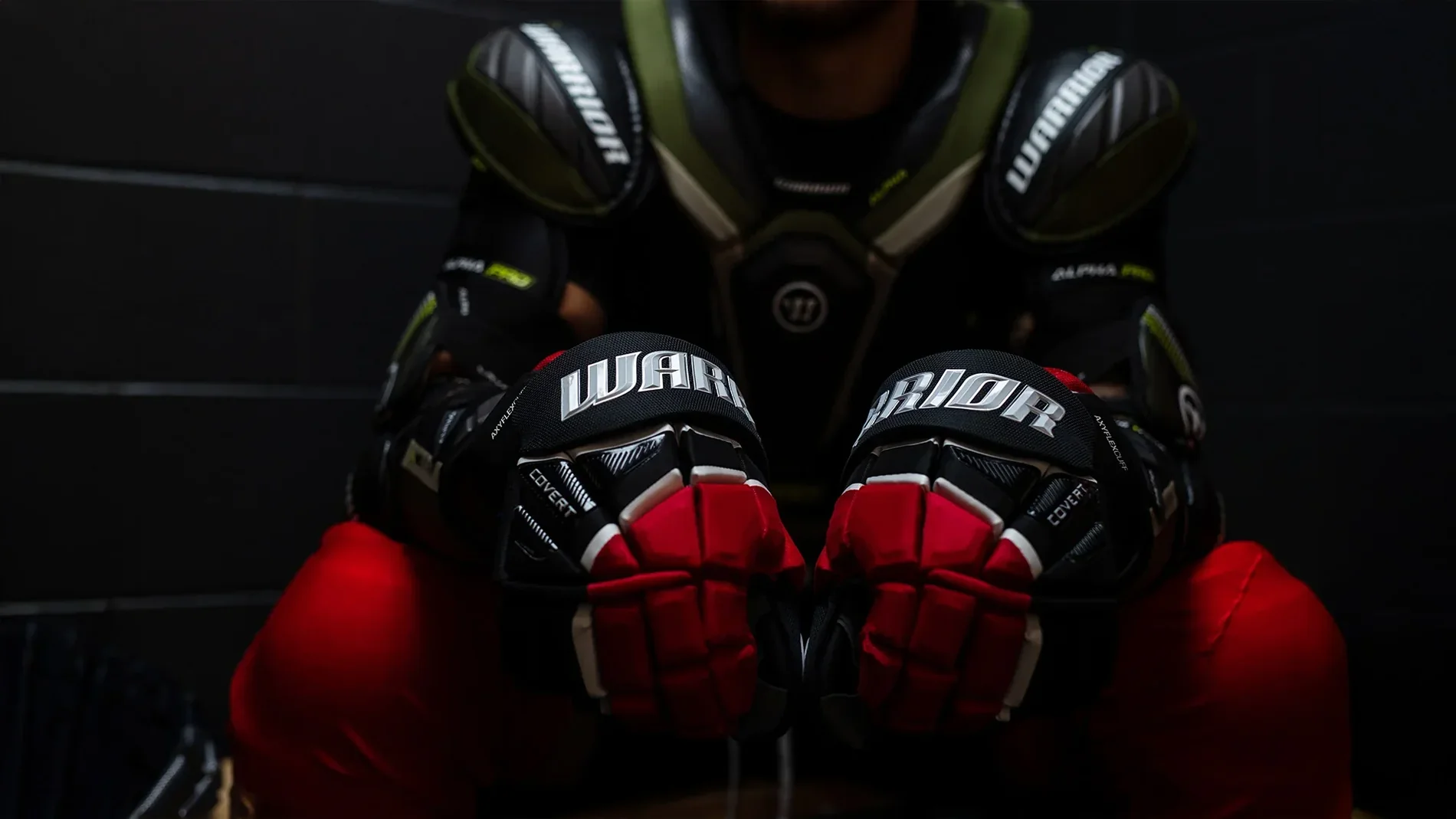
Modern gloves balance mobility with coverage. Look for models with reinforced fingers and upgraded cuff protection. Newer synthetics have made gloves lighter and more durable, making them easier for young players to handle sticks confidently.
Jambières and Pants: Mobility Meets Impact Resistance
Shin guards and pants now use anatomical shaping and layered padding to maximize coverage and comfort. Innovations in closures (like adjustable straps and Velcro) ensure a secure fit even as kids grow or intensify their play.
Neck Guards and Additional Accessories: Rising Importance
Recent incidents have highlighted the value of neck protection. Breathable, cut-resistant neck guards are now widely available and strongly recommended at all levels. Accessories such as elbow pads and mouthguards have also become more ergonomic, often bundled for savings.
How to Identify Affordable Quality in Today’s Market
Finding affordable gear that doesn’t compromise on safety starts with knowing where to look and what to look for.
Reputable brands like CCM and REVO consistently offer entry-level lines that emphasize essential features. Always check for certification logos and material descriptions. Safety labels, such as double-density foams or cut-resistant fabrics, signal that even budget models meet tough standards.
Customer reviews and expert advice can be invaluable. Hockey communities often share firsthand experiences about fit and durability that go beyond glossy ads.
A resource like Liquida Sport hockey equipment presents a curated selection of protective gear from top brands, often highlighting deals and detailed product information to guide your decision.
Shopping Strategies: When and Where to Find the Best Deals
Gear goes on sale in predictable cycles. End-of-season clearances and “back to hockey” events can yield substantial discounts. Signing up for loyalty programs, like those offered by specialty retailers, often brings exclusive promotions and rewards.
Online shopping offers a broader selection and often better pricing, but comes with the challenge of not being able to try on gear before buying. In-store, expert staff can help with fitting, but selection might be limited.
Some retailers offer price matching, ensuring you get the lowest price available. Free shipping thresholds and easy returns can further sweeten the deal, especially when shopping for a full set of gear.
Maintaining and Extending the Life of Your Protective Gear
Buying affordable gear is only half the equation; maximizing its lifespan is the other.
– Cleaning: Wipe down pads after use and wash removable liners regularly.
– Storage: Let equipment dry thoroughly before packing it away to prevent bacteria and odor.
– Repairs: Minor rips or worn straps can often be fixed easily, but always replace gear if its structural integrity is compromised.
– Secondhand Gear: Good quality used gear can be a smart buy, but only if it meets current safety standards and shows no signs of excessive wear.
The Future of Affordable Hockey Protective Gear
Emerging technologies promise safer, lighter, and cheaper gear. 3D-printed padding, smart impact sensors, and antimicrobial fabrics are making their way from high-end models to affordable lines.
Sustainability is also a growing priority. Manufacturers are exploring recycled materials and eco-friendly production, aiming for gear that’s better for players and the planet.
As technology trickles down, expect more advanced features, previously reserved for pros, to become standard for all levels.
Final Checklist: Making an Informed Purchase Decision
Before pulling the trigger on new gear, ask yourself:
– Does the equipment fit properly now and allow for some growth?
– Are all safety certifications clearly indicated?
– Does it provide adequate protection for your level of play?
– What do coaches, teammates, or online reviewers say about comfort and durability?
– Is there a clear return or exchange policy?
– Does the retailer offer price matching or loyalty rewards?
Essential features to look for:
– Multi-density padding in helmets and gloves
– Anatomically shaped, adjustable jambières and pants
– Breathable, cut-resistant neck guards
– Reliable brand reputation and visible safety certifications
Staying up to date is easier than ever with resources like specialty retailers, league websites, and gear guides. For ongoing support, consider joining a loyalty program or subscribing to product updates from trusted hockey gear suppliers.
The right gear doesn’t have to break the bank. With a little knowledge and smart shopping, you can step onto the ice knowing you’re protected, without overpaying for peace of mind.